Discover the innovative “pipe lining” technology in plumbing. It’s gaining popularity for its benefits, replacing costly traditional methods. Whether you need plumbing work or just curious, our guide has you covered. Learn more here!
Understanding Pipe Lining: A Comprehensive Guide
What is Pipe Lining?
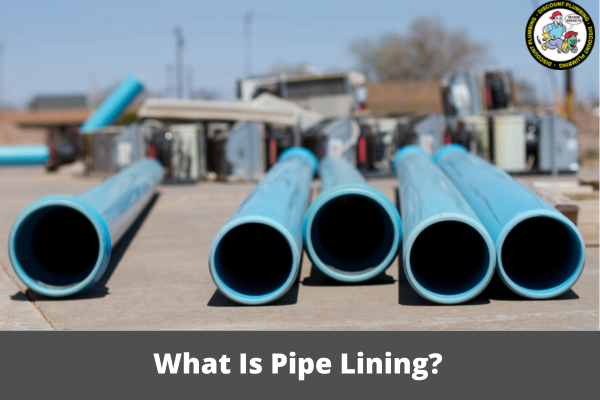
Pipe lining is a trenchless technology that creates a new, smooth pipe inside a damaged one. It’s a non-invasive and cost-effective way to repair pipelines damaged, cracked, or corroded. Instead of replacing the whole pipe, a new one is created within the old one, eliminating the need for digging or excavation work.
How Does Pipe Lining Work?
Pipe lining involves inserting a flexible tube coated with epoxy into the damaged pipe and hardening it in place using heat or UV light. This creates a durable and seamless lining that restores the pipe’s original function. This method is effective for pipes with cracks, leaks, blockages, and other defects. It is particularly suitable for underground pipes, sewage systems, water mains, gas lines, and HVAC systems, as it does not disrupt existing structures or landscapes.
Benefits of Pipe Lining
Pipe lining offers several practical advantages for San Diego property owners when the existing pipe is a good candidate. Because the new liner is installed inside the damaged pipe, it can reduce excavation, demolition, and restoration work compared with traditional pipe replacement.
- Less property disruption: Pipe lining can help avoid tearing up floors, walls, landscaping, driveways, or hardscaping when the damaged section can be accessed trenchlessly.
- Faster restoration: With less digging and rebuilding, the plumbing system can often return to service with less downtime for homes and businesses.
- Long-term value: A properly installed liner can reinforce the existing pipe, help reduce future leaks, and limit repeat repair needs.
- Improved flow: The smooth interior surface can help water and waste move more freely, reducing rough spots where debris may catch.
- Less waste: Since the old pipe usually stays in place, pipe lining can reduce the material waste and site disruption associated with full pipe removal.
Challenges of Pipe Lining
Pipe lining is not the right repair for every pipe. A plumber needs enough remaining pipe structure for the liner to bond and cure correctly. Severely collapsed pipes, major offsets, heavy deterioration, or conditions that prevent proper cleaning and drying may require traditional repair or replacement instead. A sewer camera inspection helps confirm whether lining is appropriate before work begins.
Applications of Pipe Lining
Pipe lining can be useful in residential, commercial, and municipal plumbing systems. For homeowners, it may solve drain or sewer line problems without major disruption to daily routines. For commercial properties, it can reduce downtime and help keep plumbing, drainage, and water systems operating with fewer interruptions. In larger municipal settings, lining may help restore sewer and water mains while limiting excavation.
When to Consider Pipe Lining
Pipe lining is often worth considering when a pipe has cracks, small leaks, corrosion, root intrusion, or recurring blockages, but the pipe has not fully collapsed. It can be especially helpful for underground or hard-to-reach lines where excavation would disturb flooring, landscaping, patios, or business operations. Signs such as slow drains, recurring backups, standing water, or irregular water pressure are reasons to schedule an inspection and confirm the best repair method.
Pipe Lining vs. Traditional Pipe Replacement
Traditional pipe replacement removes the damaged pipe and installs a new one, which may be necessary when the line is collapsed, badly misaligned, or too deteriorated to support a liner. Pipe lining instead creates a new interior surface inside the existing pipe. When conditions allow, that can mean less digging, fewer surface repairs afterward, and a faster path back to normal use.
The best choice depends on the pipe material, location, level of damage, access points, and long-term repair goals. In many San Diego homes and commercial properties, the decision starts with a camera inspection so the plumber can see whether trenchless lining is a practical option.
Revolutionizing Plumbing: The Benefits of Pipe Lining for Efficient and Non-Invasive Repairs
Pipe lining can be an efficient, non-invasive repair option when the existing pipe is structurally suitable. If you are dealing with recurring drain or sewer issues, Discount Plumbing San Diego can inspect the line, explain whether trenchless repair makes sense, and recommend the best next step for the property.
If this repair method sounds like a fit, our trenchless pipelining options can help with sewer damage, while more severe issues may call for sewer line repair and replacement or nearby water line repair and replacement.